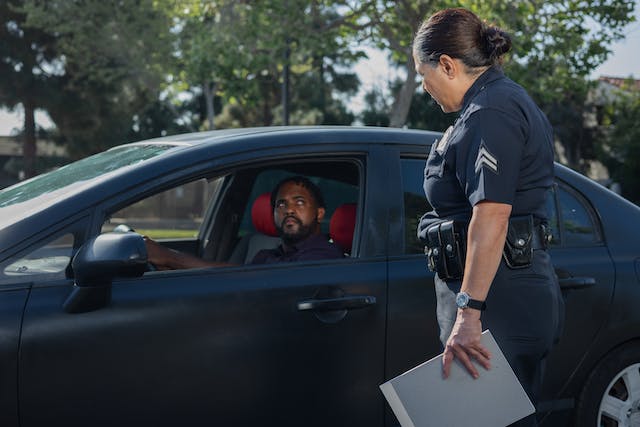

Most DWI arrests are the result of a basic traffic stop, but some offenders are taken into custody following an auto accident. Even if an auto accident did not result in physical injuries to other parties, such accidents can still result in damage to the other party’s property. Driving while intoxicated is a serious offense. Throw in property damage and the alleged DWI offender could face heightened criminal charges. A judge can order jail time, fees, and require the alleged offender to pay restitution to the victims.
If you have recently been arrested for a DWI involving property damage in Harris County, you should contact an experienced defense attorney with our firm as soon as possible. The Gonzalez Law Group will fight for your rights and try to get the best possible outcome for your situation.
We proudly defend clients in the greater Harris County area including Pearland, Baytown, Seabrook, La Porte, Pasadena, Galena Park, Friendswood, and numerous others. Call The Gonzalez Law Group today at (832) 530-4070 or submit your information in the online form for a free case consultation.
What is DWI with Property Damage?
There is no state law in Texas dedicated specifically to DWI with property damage. Instead, alleged offenders would be charged with two crimes: DWI and reckless damage or destruction.
If the driver was operating a vehicle while under the influence in a public place, they would be charged with a DWI under Texas Penal Code 49.04. The code defines intoxicated as having a blood alcohol concentration of 0.08 or more, or not having the normal use of mental or physical faculties because of alcohol, a controlled substance, or a combination of both.
If the DWI involves property damage the alleged offender could be charged with reckless damage or destruction as established under Texas Penal Code 28.04. Reckless damage or destruction is considered recklessly damaging or destroying property without the effective consent of the owner.
Possible Penalties for DWI with Property Damage
Property damage from a DWI offense is usually considered an aggravating factor by the court that can lead to additional charges against the alleged offender.
A first-time DWI offense is classified as a class B misdemeanor in Texas that is punishable by a maximum of 180 days in jail, a $2,000 fine or both. Once arrested, a first-time offender is usually required to spend 72 hours in jail. If police discover an open container the offender could spend up to six days in jail.
If the driver’s BAC is 0.15 or higher, a DWI is elevated to a class A misdemeanor that is punishable by one year in jail, a fine of up to $4,000, or both.
If property damage was the result of a DWI incident, the police or prosecutor may file an additional charge of reckless damage or destruction of property under section 28.04 of the Texas Penal Code. This charge is considered a class C misdemeanor and is punishable by a fine of up to $500. The court also routinely orders restitution of any damaged property.
In addition to criminal charges, the court may also impose civil penalties in a DWI property damage case.
Some of the civil penalties that may be ordered include probation, a driver’s license suspension, mandatory DWI classes and an annual DWI surcharge of $1,000 to $2,000 per year for three years.
In Texas, anyone who is charged with a DWI will automatically lose his or her driver’s license unless he or she requests an administrative hearing within 15 days of the arrest to contest the revocation of his or her license.
An administrative hearing is similar to a traditional hearing but with a few differences. An administrative law judge conducts the hearings and the proceedings are almost always conducted as bench trials. Unlike a traditional trial, administrative hearings are often shorter and more informal.
Additional DWI with Property Damage Resources in Houston, TX
Reckless Damage or Destruction | Texas Penal 28.04 – Follow this link to read the full text of the Texas Penal Code that establishes reckless damage or destruction in the sate. The code defines what is considered reckless damage or destruction and can be read on the Texas Constitution and Statutes website.
Intoxication and Alcoholic Beverage Offenses | Texas Penal Code Chapter 49 – Read the Texas Penal Code that governs how alcohol-related offenses are handled in the state. The chapter establishes what is considered driving while intoxicated as well as its penalties.
Contact a DWI Defense Attorney in Houston, TX
You should never go about handling a DWI offense without the proper guidance of an experienced legal defense team. By choosing The Gonzalez Law Group, you can rest assured that your case will be handled with diligence and that our attorneys will fight to achieve the best possible outcome for your situation. Call us today at (832) 530-4070 or submit your information in our online form for a free case evaluation. We defend clients in communities throughout the greater Harris County area including Pearland, Baytown, Seabrook, La Porte, Pasadena, Galena Park, Friendswood and numerous others.